



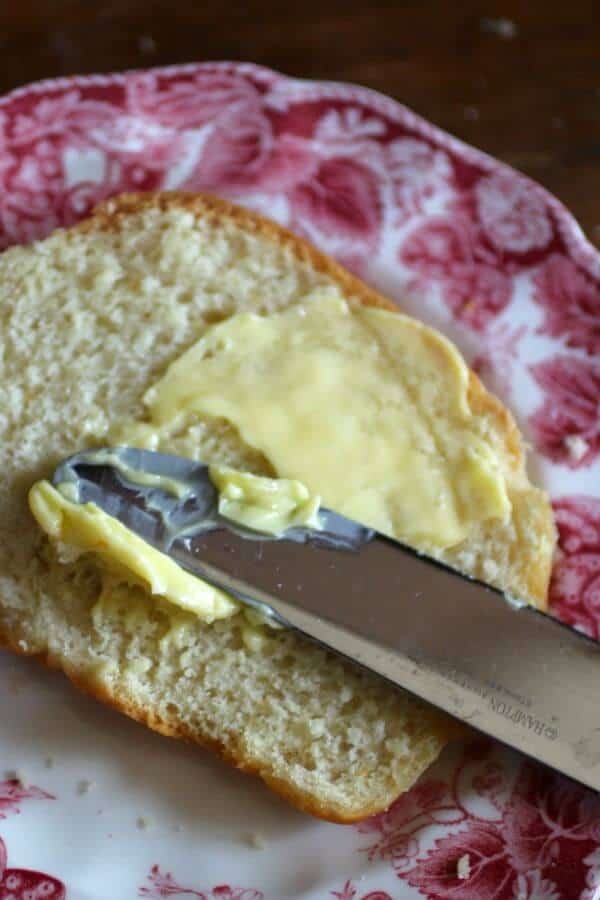
This Amish white bread recipe has more than 2,500 5-star reviews for a reason. It's soft, fluffy, slightly sweet, and tastes like the homemade version of Wonder Bread your grandma would've made if she'd been personally offended by preservatives. It freezes beautifully, slices like a dream, and makes toast so good you'll suddenly understand why people used to keep real butter sitting on the counter next to a ceramic rooster.
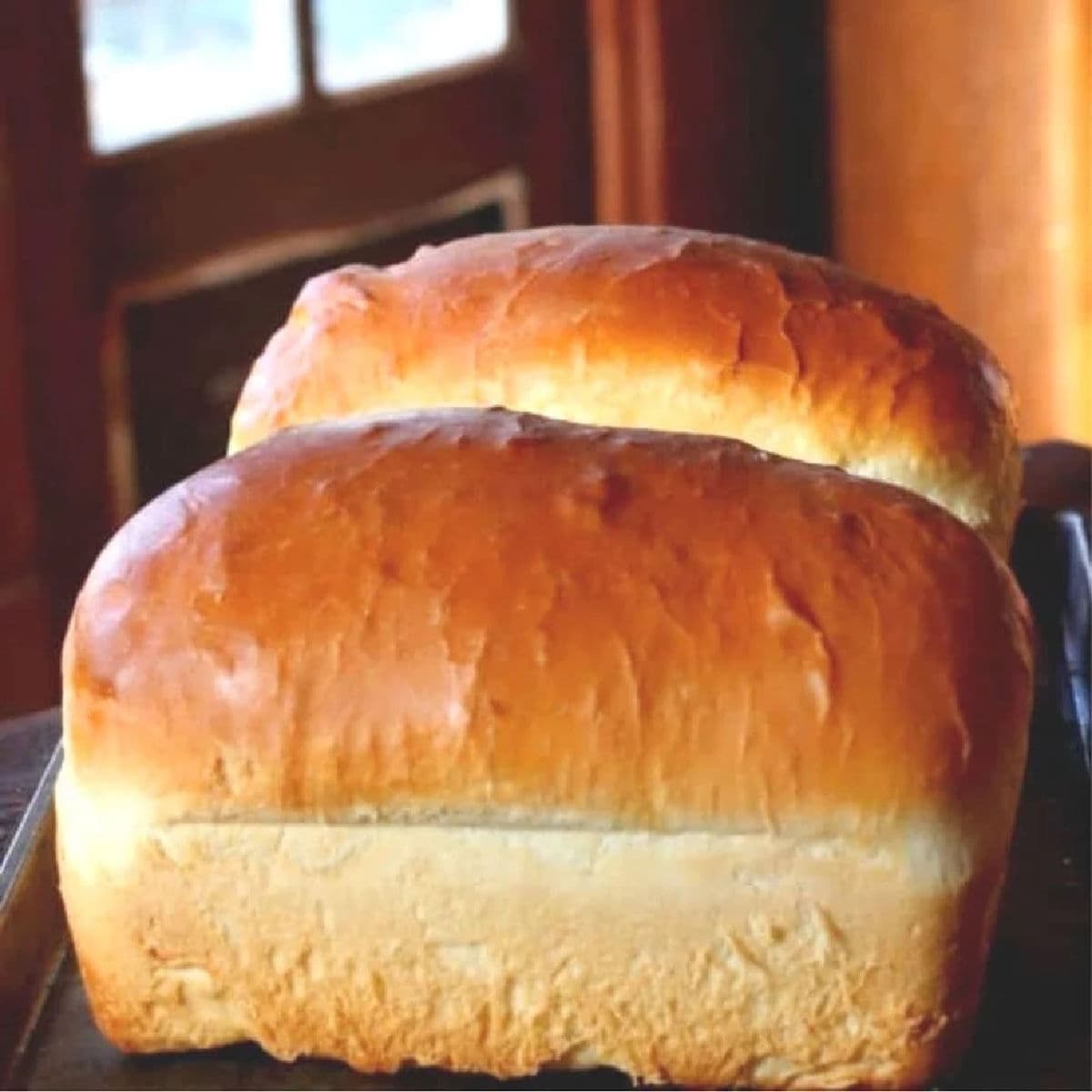
Table of Contents
- 🥰 Is this Amish white bread recipe for you?
- 🎥 Watch and cook: step-by-step video tutorial
- 🧾 Ingredients you'll need
- 🍞 Do I have to use bread flour?
- ⚡Prefer the bread machine version?
- 📖 Recipe
- 🔪 How to make no-fail Amish white bread
- 😱 What could go wrong?
- 🚀 A little performance enhancement for your bread dough
- Marye's Tips
- 📚 Related bread recipes you'll love
- 🎧 Listen to the audio instead
- 💬 Comments
🥰 Is this Amish white bread recipe for you?
- You want soft, fluffy homemade sandwich bread that tastes like the bread aisle used to before everything started lasting six months without decomposing.
- You're new to yeast baking and need a recipe that won't send you into a full emotional crisis over whether your dough is rising "correctly."
- You want a freezer-friendly bread recipe for toast, sandwiches, garlic bread, or standing at the kitchen counter eating warm slices with too much butter while avoiding your responsibilities.
- You grew up loving soft white bread but wish it had actual flavor, better texture, and ingredients that sound less like chemistry homework.
🎥 Watch and cook: step-by-step video tutorial
🧾 Ingredients you'll need
This Amish white bread keeps things beautifully simple. No mysterious ingredients. No flour harvested under a full moon by artisanal woodland sprites (although if you have access to that I'd totally do it...). Just basic pantry staples turning into soft, fluffy sandwich bread that'll ruin grocery store bread for you forever.
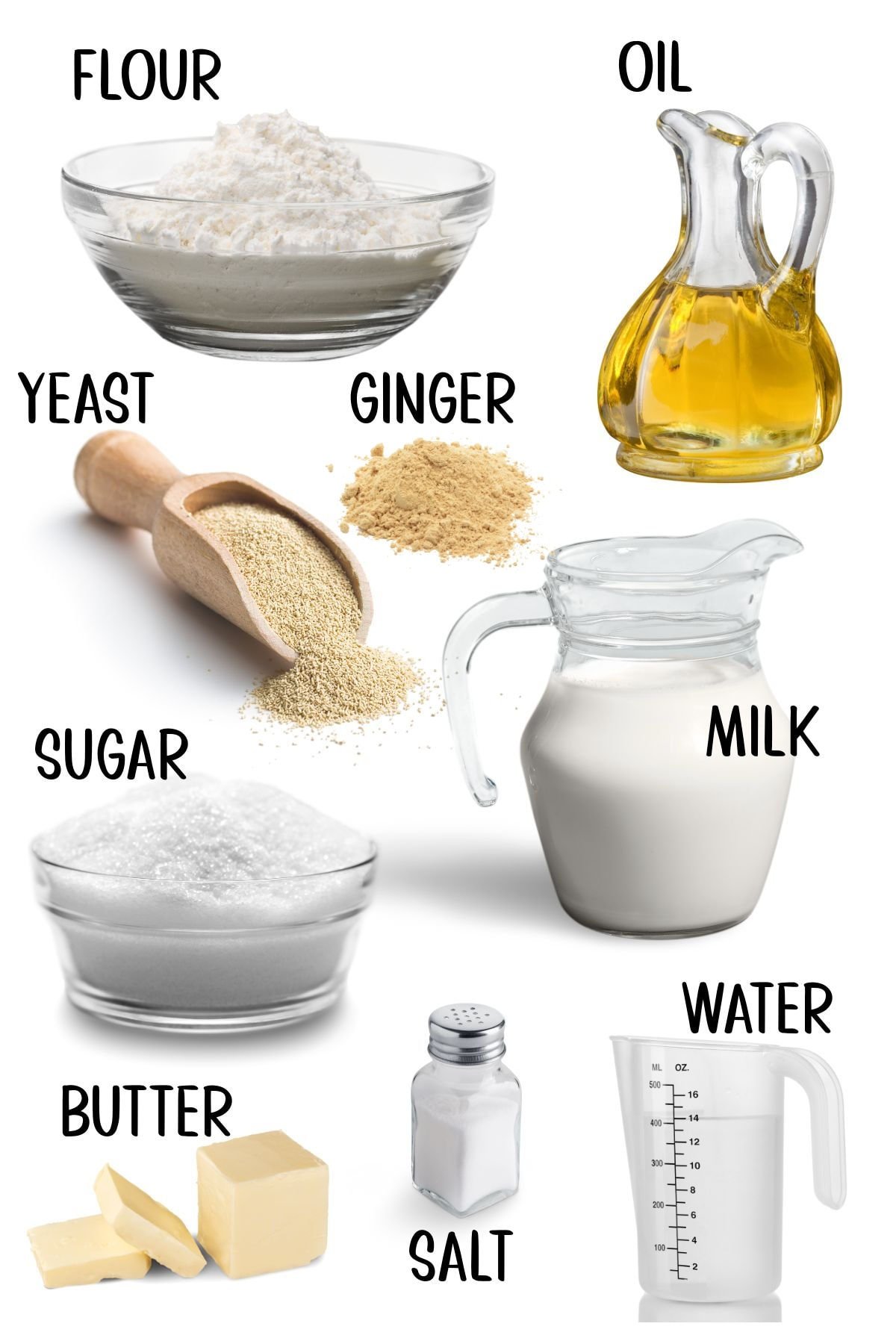
- Bread flour gives this loaf its soft, fluffy structure and that perfect sliceable sandwich bread texture.
- Yeast is the tiny overachiever doing all the heavy lifting here.
- Water wakes the yeast up and gets the whole beautiful bread circus rolling.
- Milk helps make the bread rich, soft, and tender instead of tasting like edible insulation foam.
- Salt keeps the flavor balanced and makes the whole loaf taste like actual bread instead of sweet sadness.
- Butter gets brushed on top for that soft golden crust your grandma would've guarded with a wooden spoon.
- Sugar gives the bread its signature slightly sweet flavor and helps feed the yeast.
- Ginger is totally optional. It won't flavor the bread, promise. It just gives the yeast a little motivational pep talk to get rising faster. Tiny carb life coach energy.
- Oil keeps the crumb soft and helps the bread stay fresh longer.
🍞 Do I have to use bread flour?
All-purpose flour works in a pinch, but bread flour gives you a fluffier rise. If you've got vital wheat gluten on hand, swap in a tablespoon per cup to help boost it.
⚡Prefer the bread machine version?
If kneading dough sounds ambitious today, try my bread machine Amish white bread recipe. You'll get that same cozy homemade flavor with less hands-on work. More opportunities to stand in the kitchen eating warm bread with butter while pretending you're extremely productive.
Be sure to download the free Amish White Bread Cheat Sheet with tips, faqs, storage, and more.
📖 Recipe
Amish White Bread Recipe
Print Pin Recipe Rate RecipeIngredients
- 1 cup water, 110F
- 1 pinch powdered ginger, optional - activates yeast
- 1 cup milk, 110F
- ⅔ cup sugar, (you can use less)
- 1 ½ tablespoons active dry yeast
- 1 ½ teaspoons salt
- ¼ cup vegetable oil, coconut oil works really well here (melt it first and let it cool to 100F)! OR use melted butter
- 5-½ cups bread flour, you may need a little more or a little less
- 2 tablespoons butter, melted
Instructions
Conventional method
- Dissolve the sugar in the warm water and milk in a large bowl.
- Whisk in the yeast (and ginger if using).
- Set aside for 5 to 10 minutes, or until the yeast mixture gets foamy.
- Stir in 1 cup of the flour.
- Whisk in the salt and oil.
- With the mixer running add the remaining flour, one cup at a time, until the dough pulls away from the bowl.
- Knead by machine about 5 minutes.
Hand kneading
- If you are hand kneading Mix in the flour until you have a sticky dough, turn the dough out onto a lightly floured surface and knead for 10 minutes or until the dough is smooth and elastic - adding flour as needed.
Rising and shaping
- Oil a large bowl and place the ball of dough in it.
- Oil the top of the dough and then cover with a damp cloth.
- Allow it to rise until it has doubled in bulk. This will take about an hour.
- Punch the dough down.
- Knead for three minutes or so and divide in half.
- Let rest for five minutes.
- Shape into loaves and then place in greased 9x5-inch loaf pans.
- Brush the tops with the melted butter.
- Let rise for 30 minutes, or until the dough has risen an inch or so above the pans.
- Bake at 350 degrees F for 30 minutes, or until loaves sound hollow when tapped. An instant-read thermometer will register 190℉ when poked into the center of the loaf when it's done.
For a soft crust
- For a soft crust butter the tops and place a clean tea towel over the baked loaves as soon as you take them out of the oven. Let them cool for about 5 minutes and then take them out of the pans to finish cooling, covering them back up with the tea towel.
Notes
- If you want something less sweet you can cut the sugar in half. It will change the texture a bit but will still be great.
- This is one recipe I don't often use butter in. I use organic extra-virgin coconut oil because it adds just a little flavor to the bread. A light vegetable oil will work, too. Try it with coconut oil, light vegetable oil, or melted butter and just see what you like best. Make sure whatever you use is melted and cooled to 100F before adding.
Nutrition Facts
Nutrition information is estimated as a courtesy. If using for medical purposes, please verify information using your own nutritional calculator. Percent Daily Values are based on a 2000 calorie diet.
This recipe has been tested several times. If you choose to use other ingredients, or change the technique in some way, the results may not be the same.
Love this recipe?
Subscribe to the free membership group and never miss another recipe!
🔪 How to make no-fail Amish white bread
This Amish white bread freezes beautifully, which means future-you can have homemade bread on standby without having to launch a full yeast production every time somebody wants toast. Make a couple of loaves now and suddenly you're the kind of person who has homemade sandwich bread tucked in the freezer like a responsible country grandmother with excellent life skills.
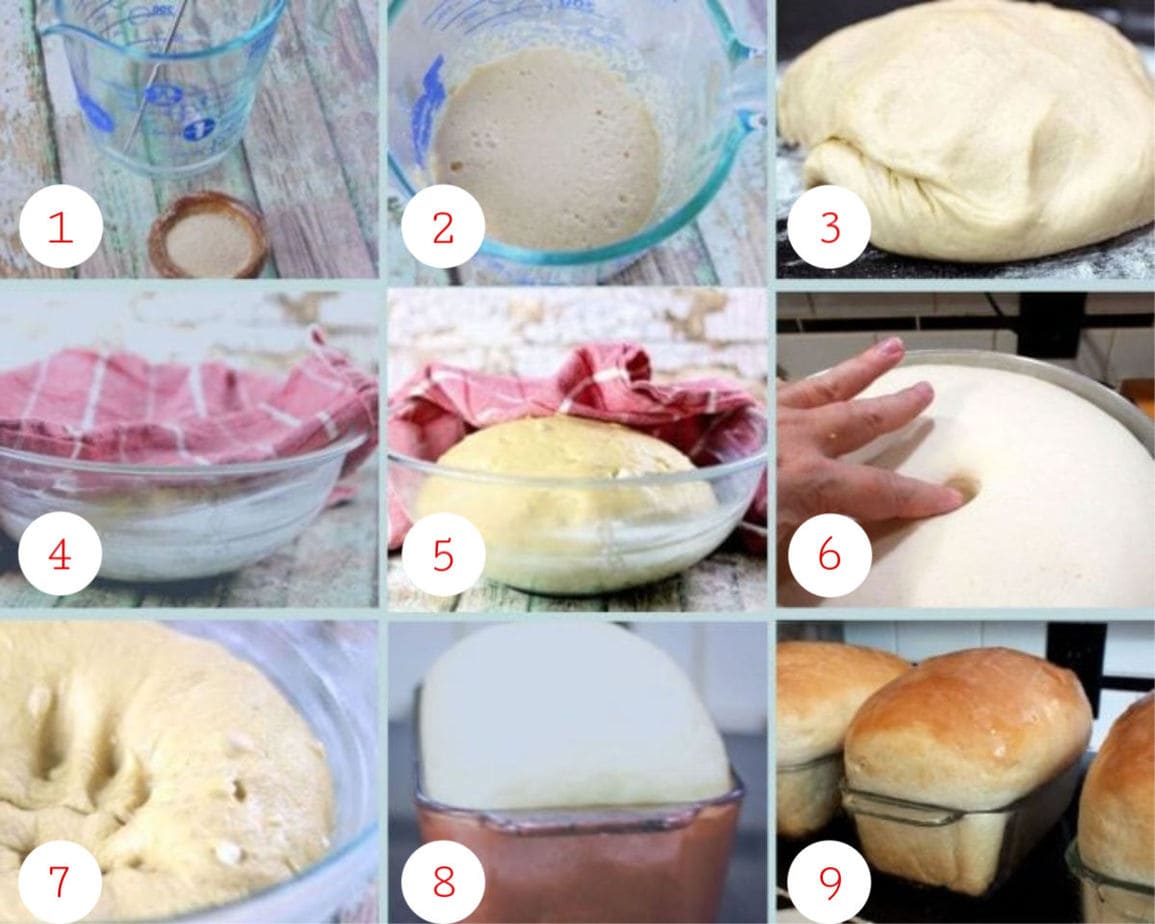
- Mix the yeast, sugar, and warm water.
- Let it get foamy.
- Mix in the flour and knead until it is soft and elastic - squeeze a bit between your thumb and forefinger. Weird but true - if your dough feels like your earlobe, you're in the zone. (Welcome to the exclusive club of people who fondle their own ears while baking.)
- Place in an oiled bowl and cover.
- Let rise until doubled.
- Check by pushing your finger in. If the indent stays it has doubled.
- Punch down.
- Shape and place in a greased loaf pan - let rise. Bake.
😱 What could go wrong?
🍞 Your dough won't rise
Your yeast may be old or your liquid may have been too hot. Yeast likes warm and cozy, not lava. If the water feels comfortably warm on your wrist, you're usually good to go. Aim for about 100-110 degrees F.
🍞 Dough is stiff and bread is heavy
The dough should feel soft and slightly tacky, not dry and stiff like a forgotten can of biscuits in the back of the fridge. Too much flour gives you heavy bread instead of that soft fluffy texture everybody loves.
🍞 Your bread collapsed while baking
Usually that means the dough over-proofed and rose too long before baking. If the dough starts looking like it's trying to escape the loaf pan entirely, it's probably time for the oven.
🍞 The crust gets too dark
Every oven has its own personality disorder. If the tops brown too quickly, loosely tent the loaves with foil during the last part of baking.
🍞 The bread seems gummy inside
Hot bread is rude and impatient and needs time to cool before slicing. Let the loaves cool at least a little before cutting or the inside texture can turn dense and gummy. Be sure to bake it to an internal temperature of 190-210 degrees F.
🚀 A little performance enhancement for your bread dough
If your homemade bread has ever risen like it's carrying the emotional weight of three generations, a few little tricks can help.
- A pinch of ground ginger gives yeast a gentle boost and helps get the dough moving faster without adding ginger flavor to the bread.
- Potato water helps strengthen the dough structure so your loaves rise higher and bake up softer and fluffier.
If your yeast recipes have ever personally victimized you, check out more of my favorite bread-rising tricks and natural dough enhancers in 7 Ingredients to Help Your Bread Rise Higher.
Marye's Tips
The dough has been kneaded enough when it feels somewhat like your earlobe when you pinch it. When you gently pull on it, the dough will stretch a little instead of breaking off.
If you've had trouble with homemade bread recipes before be sure to read these posts on troubleshooting and tips:
Don't forget to to download the Amish White Bread Cheat Sheet with tips, faqs, storage, and more. It's packed with secrets I wish someone had told me before my first sad, under-risen loaf. Snag it now-it's free and fabulous.
📚 Related bread recipes you'll love
Once you make homemade sandwich bread, it becomes a little hard to get excited about the squishy store-bought stuff that survives suspiciously long in the pantry. If you're fully entering your bread era, there are a few more recipes you'll definitely want to try.
Honey buttermilk bread is soft, rich, and just slightly sweet with the kind of golden crust that makes people suddenly appear in the kitchen asking "is that ready yet?" Farmhouse white bread has an old-fashioned flavor and sturdy texture that's perfect for sandwiches, toast, or grilled cheese when life starts getting unnecessarily dramatic. And if kneading dough feels a little too ambitious for your current emotional situation, the no knead sandwich bread is easy, forgiving, and shockingly fluffy for something that requires almost no effort at all.
Have you made this bread? Did you sneak the first slice warm from the oven like I do? Tell me in the comments-Reva Mae says it doesn't count as stealing if it's still cooling.
🎧 Listen to the audio instead
Pull up a chair, grab your coffee, and hit play-I'll walk you through the Amish white bread recipe with tips, tricks, and a few flour-dusted secrets. Then we'll head on down to Picklefork, Texas, where the bread's hot, the stories are hotter, and childhood memories bake up fresh every time.
Chelle says
At what point do you freeze this? Before baking… after baking…? I’ve never made bread before, but want to try!
Marye says
You can freeze it before the 2nd rise or after baking. Good luck!
Sandra says
I am looking for a recipe like a recipe I found in a magazine way back in the 70’s. This bread had a wonderful yeasty taste and smell. I lost the recipe a long time ago and have been searching for years for a recipe that has that yeasty taste and aroma that I love. The smell permeated my house and it was delightful.
I hope this recipe will be it.
Jean says
The recipe i had was the same except it did not add milk. What does the milk do for the bread flavor and texture?
Marye says
It gives it a richer flavor and more tender crumb.
Adam says
I’ve been baking bread since the 80’s and this is my go to soft white bread recipe. I’ve made this recipe half a dozen times now or more and it’s consistently sound. I reduce sugar to 1/2C and kneed for 15 min. I’ve used this recipe for cinnamon rolls also and it was very good.
Thank you.
Joel Medriano says
My bread maker makes a 2lb loaf. I wish that the recipe would've been adjusted for that. It was way to much for it. Next time I will bake in loaf pans.
Marye says
Joel - I'm sorry you had trouble. This recipe was written for loaf pans. Since each bread machine is a little different there's really no way to adjust for each one. Im sorry that you felt the the fact that the bread recipe, which was written for loaf pans, only warranted a 1 star because it didn't fit in your bread machine.