
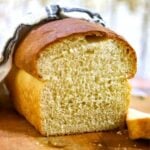
If carbs are your love language (same), then you're about to fall head over heels. This no-fail buttermilk bread has been strutting its stuff at the top of Google since 2008-because when something's this fluffy, golden, and foolproof, the internet takes notice. With over 900 five-star reviews and enough Pinterest praise to make a sourdough jealous, this recipe delivers that cozy, fresh-baked smell and soft, buttery bite every. single. time.
Love it? Of course you do. And lucky you-there's a whole carb cave of homemade bread recipes waiting for you right here.
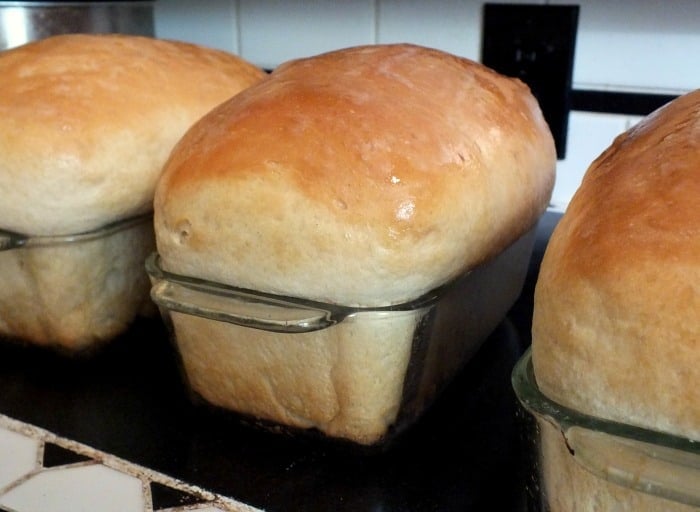
Table of Contents
- 🥰 Is this buttermilk bread for you?
- 📖 Recipe
- 🧾 Ingredients for buttermilk bread
- 🍞 Bread machine instructions (reader tested)
- 🧯 Troubleshooting (because yeast can be dramatic)
- 😱 What can go wrong (and how to fix it)
- 👩🍳 FAQs: questions you may be asking right now
- 📚 More yeast bread recipes to try
- 🏡 One last thing before you bake
- 💬 Comments
🥰 Is this buttermilk bread for you?
This is your bread if…
- you want a soft, fluffy sandwich loaf, not a crusty artisan boule that requires a PhD and a silent prayer.
- you've got buttermilk lingering in the fridge and you're not about to waste it like a heathen.
- you're new to yeast bread and want something forgiving, not judgmental
- you like bread that's lightly sweet, thanks to a little honey, not dessert-level cake bread.
- you want reliable, repeatable results-no mood swings, no surprise bricks.
- you need a loaf that handles PB&J, grilled cheese, and midnight butter raids with equal grace.
- you want a recipe that works by hand, stand mixer, or bread machine, depending on your energy level.
- you appreciate a recipe that's been made, tested, loved, and aggressively reviewed for years.
If you're chasing drama, heartbreak, or a bread that stares back at you from the oven… this ain't it.
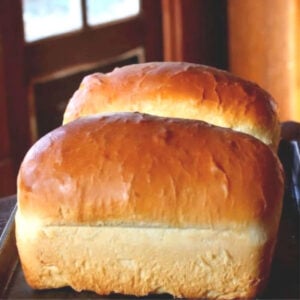
If you want comfort, confidence, and two gorgeous loaves cooling on the counter-welcome home.
Grab the free Buttermilk Bread Kitchen Cheat Sheet-a quick, no-guessing guide with dough cues, ingredient temps, and the little details that keep yeast bread soft and foolproof. Print it, stick it on the fridge, and bake like you've been doing this forever.
📖 Recipe
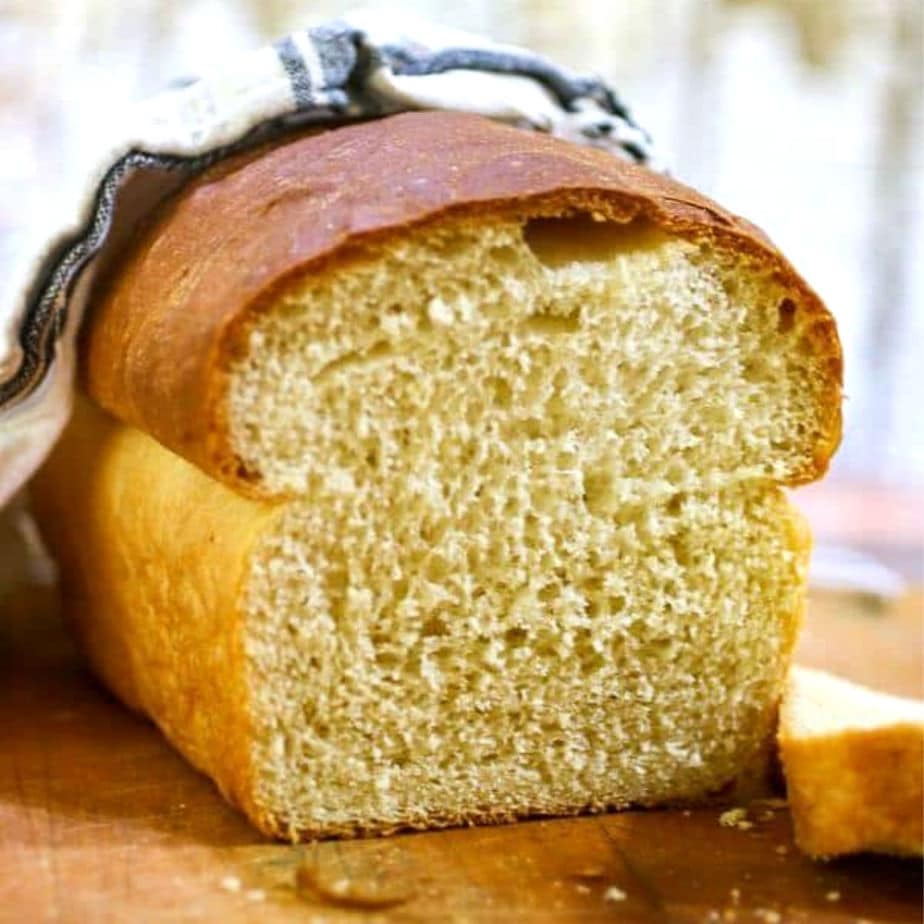
Buttermilk Bread Recipe
Print Pin Recipe Rate RecipeIngredients
- 1 packet yeast
- 1 pinch powdered ginger
- 1 teaspoon sugar
- ¼ cup water, warm, 105F - 110F
- 2 cups cultured buttermilk, warm, 105F - 110F
- ⅓ cup honey
- 1 teaspoon kosher salt, if using table salt use ¾ teaspoon
- ¾ teaspoon baking soda
- 6 cups bread flour, you may use all-purpose flour
- ¼ cup butter, melted and cooled so that it is warm to the touch but not hot.
Instructions
- In a medium sized bowl mix the yeast, ginger, sugar, and 110F water.
- Set aside for 5 minutes or until foamy.
- Whisk the buttermilk, honey, salt, and baking soda together and add it to the yeast mixture.
- Add three cups of flour and mix until smooth, about 3 to 5 minutes on low of a stand mixer.
- Pour in the butter until it is totally mixed into the batter.
- Add the rest of the flour, one cup at a time, keeping mixer on low speed.
- When dough pulls from the sides of the bowl remove it from the mixer to a lightly floured surface. Knead until elastic and smooth. You can also knead in your mixer according to manufacturer's directions.
- Place in greased bowl, turn to grease the top, and cover bowl with a clean tea towel.
- Allow the dough to rise for 1 ½ hours, or until double.
- Punch down and form into two loaves. Place each in a greased loaf pan with seam sides down. Grease tops.
- Cover, and allow to rise in a warm place for 45 minutes, or until it is just about to the tops of the bread pans.
- Preheat oven to 375F.
- Bake for 30 minutes. You can cover the tops with foil if they brown too fast.
- Remove from oven and brush top of the loaves with melted butter. Place on cooling rack.
- Allow to cool in pans for 10 minutes.
- Gently run a knife around the edge between the bread and the pan to loosen it.
- Turn out and cool completely on a rack.
- Cover the loaves if you want soft crusts.
Notes
- Be sure to fully knead the dough. It develops the flavor and texture - and will take 8 to 10 minutes by hand.
- If you're short on time you can let the bread rise in the refrigerator overnight for either the first or second rising time.
- If you feel the bread gets too brown at 375f bake at 350 f.
Nutrition Facts
Nutrition information is estimated as a courtesy. If using for medical purposes, please verify information using your own nutritional calculator. Percent Daily Values are based on a 2000 calorie diet.
This recipe has been tested several times. If you choose to use other ingredients, or change the technique in some way, the results may not be the same.
Love this recipe?
Subscribe to the free membership group and never miss another recipe!
🧾 Ingredients for buttermilk bread
These are normal grocery store ingredients-nothing you have to order online at 2 a.m. while questioning your life choices.
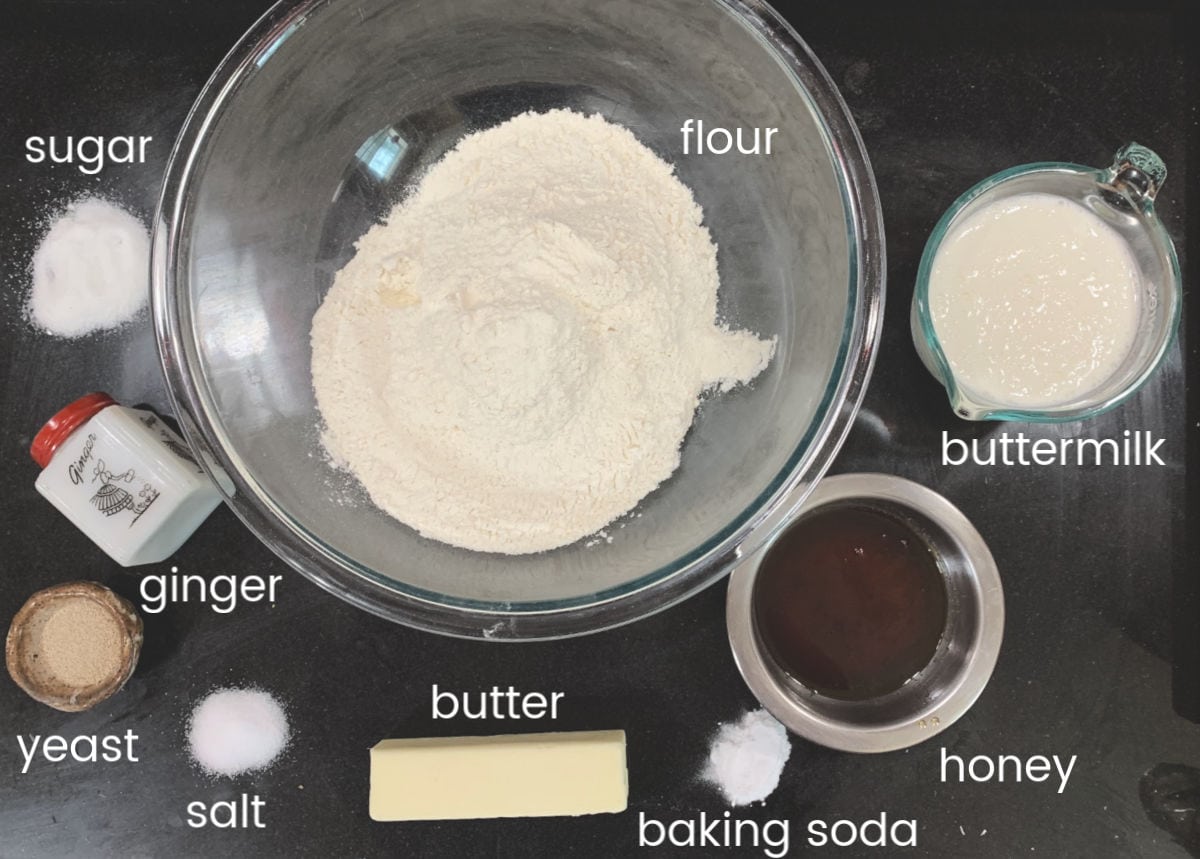
- Yeast: I use active dry yeast, but rapid-rise works just fine-just follow the instructions on the packet and don't overthink it. Yeast can smell fear.
- Powdered ginger: You won't taste it, but the yeast loves it. Think of this as a quiet little boost, not a spice moment.
- Buttermilk: This is the secret to that soft, tender crumb everyone loves. It adds a little flavor, but mostly it keeps the bread from turning into a doorstop. No buttermilk? If you don't have any you can read this article on how to make buttermilk.
- Honey: Adds a subtle sweetness and helps keep the loaf soft. This isn't dessert bread-just enough to make people ask for a second slice.
- Sugar: A small amount to wake up the yeast and help everything get moving. Teamwork matters.
- Salt: Kosher salt was used. If you're using table salt, cut it back slightly so things don't get aggressive-nobody wants aggressively salty bread.
- Baking soda: Works with the acidity of the buttermilk to give the bread a better rise and smoother flavor. Don't skip it.
- Bread flour gives the best structure and rise, but all-purpose will work if that's what you've got. The loaf may be a touch shorter, not a tragedy.Take a look at this list of different types of flour and how to use them.
- Butter: Melted and cooled-warm, not hot. This keeps the crumb soft and the flavor rich without killing the yeast in the process. Random yeast genocide is not ok.
If you've never worked with homemade yeast dough before take a look at this breadmaking guide before you get started. It answers about any question you could have.
New to yeast bread? This quick video shows exactly what properly kneaded dough should look and feel like.
🍞 Bread machine instructions (reader tested)
I don't personally bake bread in a bread machine, but many readers do-and one of them, Debbie, shared how she successfully made this recipe using hers.
If you'd like to try it in a bread machine, Debbie recommends:
- cutting the recipe in half
- using the white bread setting
- adding ingredients in this order (or following your machine manufacturer's instructions):
- water
- buttermilk
- butter
- honey
- sugar
- salt
- flour mixed with the ginger and baking soda
- yeast
Several readers have reported great results using this method, but as with all bread machines, results may vary depending on your model.
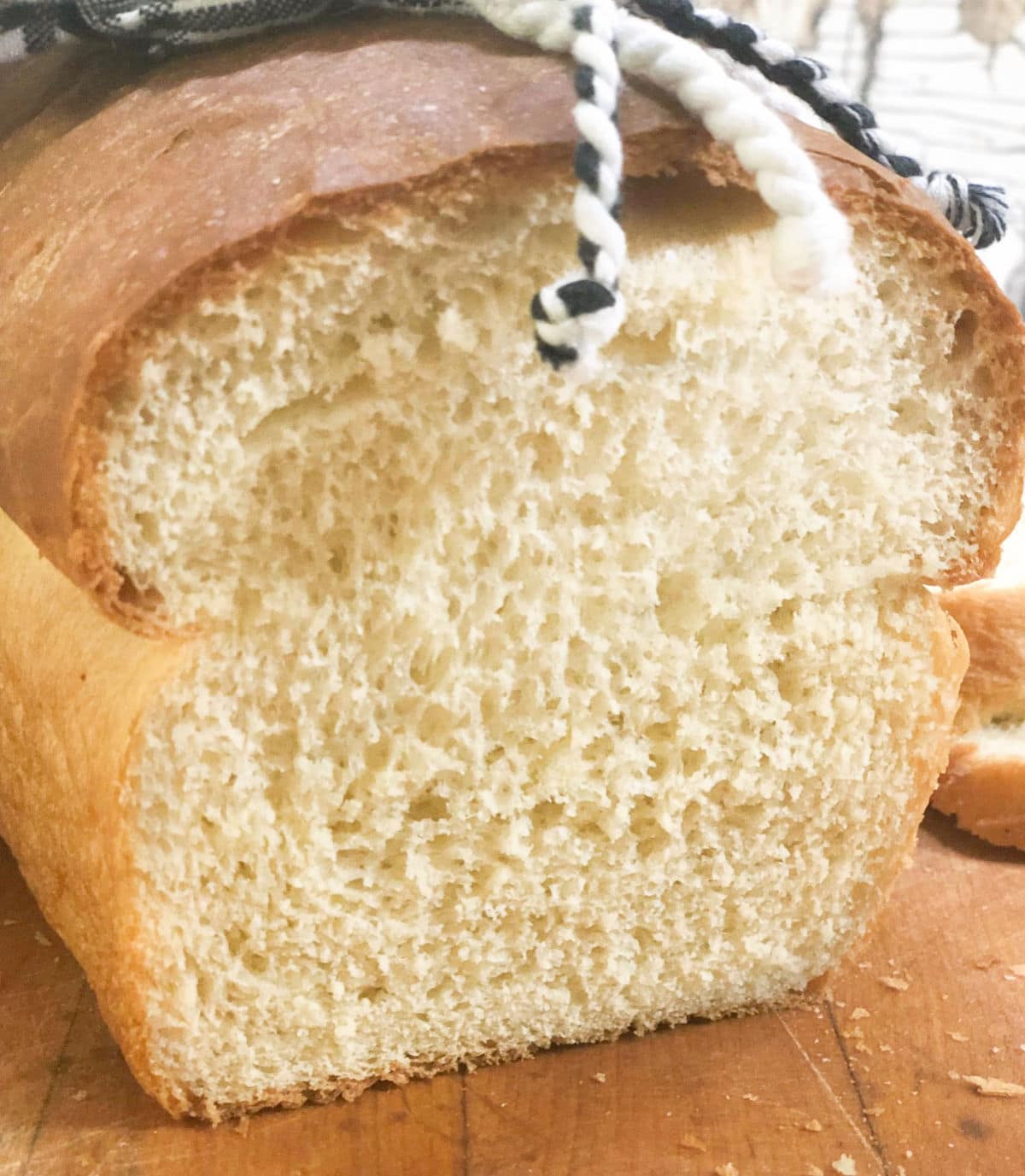
Expert tip: You may need more or less flour than called for in the recipe. Weather and climate can affect your ingredients - humidity will often mean you'll need at least an extra ¼ cup or so of flour. If you bake bread on a rainy day it will rise higher than on a clear one due to air pressure!
🧯 Troubleshooting (because yeast can be dramatic)
If yeast bread gives you anxiety-or your dough is being dramatic-I've got you covered. These guides walk through common issues and how to fix them without throwing the whole loaf away.
I've also shared my best tips for getting your homemade bread to rise high and light-because good bread should feel comforting, not stressful.
😱 What can go wrong (and how to fix it)
🍞 The dough didn't rise.
Most of the time this is old yeast or liquid that was too hot. Check the yeast date and keep all liquids under 110°F-yeast is helpful, not indestructible.
🍞 The dough is sticky and unmanageable.
Humidity happens. Add flour a tablespoon at a time while kneading until the dough is soft and elastic, not gluey.
🍞 The bread came out dense.
This usually means too much flour or not enough kneading. The dough should be smooth and stretchy, not stiff and stubborn.
🍞 The loaves spread instead of rising up.
The dough may have risen too long or wasn't shaped tightly enough. A snug shape gives the bread structure and confidence.
🍞 The crust is too dark.
Ovens vary and honey browns quickly. Tent the loaves loosely with foil or lower the oven temperature slightly.
🍞 The crust is too hard.
Brush the hot loaves with butter and cover them with a clean tea towel while they cool. Soft crust is a choice.
🍞 The bread tastes flat.
Don't skip the salt, and don't rush the rise. Bread needs time to develop flavor-yeast is doing quiet, important work.
👩🍳 FAQs: questions you may be asking right now
Yes! This bread recipe is made with honey but you can use sugar in it instead. Use an equal amount or slightly less sugar.
You can use an insta-read thermometer if you like. Push it into the side of the loaf - the center of the bread should be about 200F.
You can also turn the loaf out and tap the bottom. It will sound hollow. After you've baked bread a few times you'll just know.
Rub the crusts with butter and cover with a tea towel as soon as you bring them out of the oven if you like soft crust.
📚 More yeast bread recipes to try
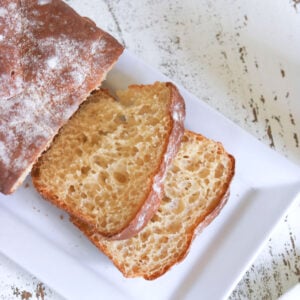
If you're in a bread-baking mood, there's plenty more where this came from. My Whole Wheat Bread Recipe gives you the same soft, dependable loaf vibes in a heartier whole-grain version. English Muffin Bread (ready in about an hour) is a wildly popular, no-knead option with those irresistible nooks and crannies. Honey Oatmeal Bread is a gentle favorite for peanut butter & jelly, and Clover Leaf Dinner Rolls are pure nostalgia-soft, fluffy, and exactly the kind of rolls Grandma would expect on the table.
🏡 One last thing before you bake
This is the kind of bread that doesn't judge your day. It doesn't care if you're new to yeast, distracted, or baking in pajama pants-it just shows up, rises like it's supposed to, and turns into two soft, golden loaves you'll be proud to slice into. Make it once and it'll quietly become your bread-the one you bake on autopilot, the one people ask about, the one that makes the kitchen smell like you've got your life together (even if you don't).
Good bread should make your day easier. This one does.
Kathy Potts says
Love this recipe! At times when I don't need 2 loaves I use one loaf for the best croutons ever. This is my go to bread recipe.
Carol Marthens says
Totally awesome recipe. Perfect both times I have made it. I used homemade buttermilk and exchanged 2C f bread flour for Einkorn flour. Perfect crumb and so moist and soft!!! Keeper!!!!
Marye says
That's awesome, Carol! Thanks for letting me know. This is the first loaf I learned how to make - from a recipe in 17 Magazine in 1974or 75. LOL
Claire says
A little heavy but that is me
Susan says
I am not sure if I will be able to find the actual buttermilk in the grocery stores here.If not can I use regular milk with a little bit of vinegar ?
Thanks
Susan
Marye says
where are you? Using the powdered buttermilk and water to make the difference in liquid is better than vinegar and milk. You can get powdered buttermilk on Amazon if not locally.
Jeanette Poulter says
This worked exactly as written, thanks!