
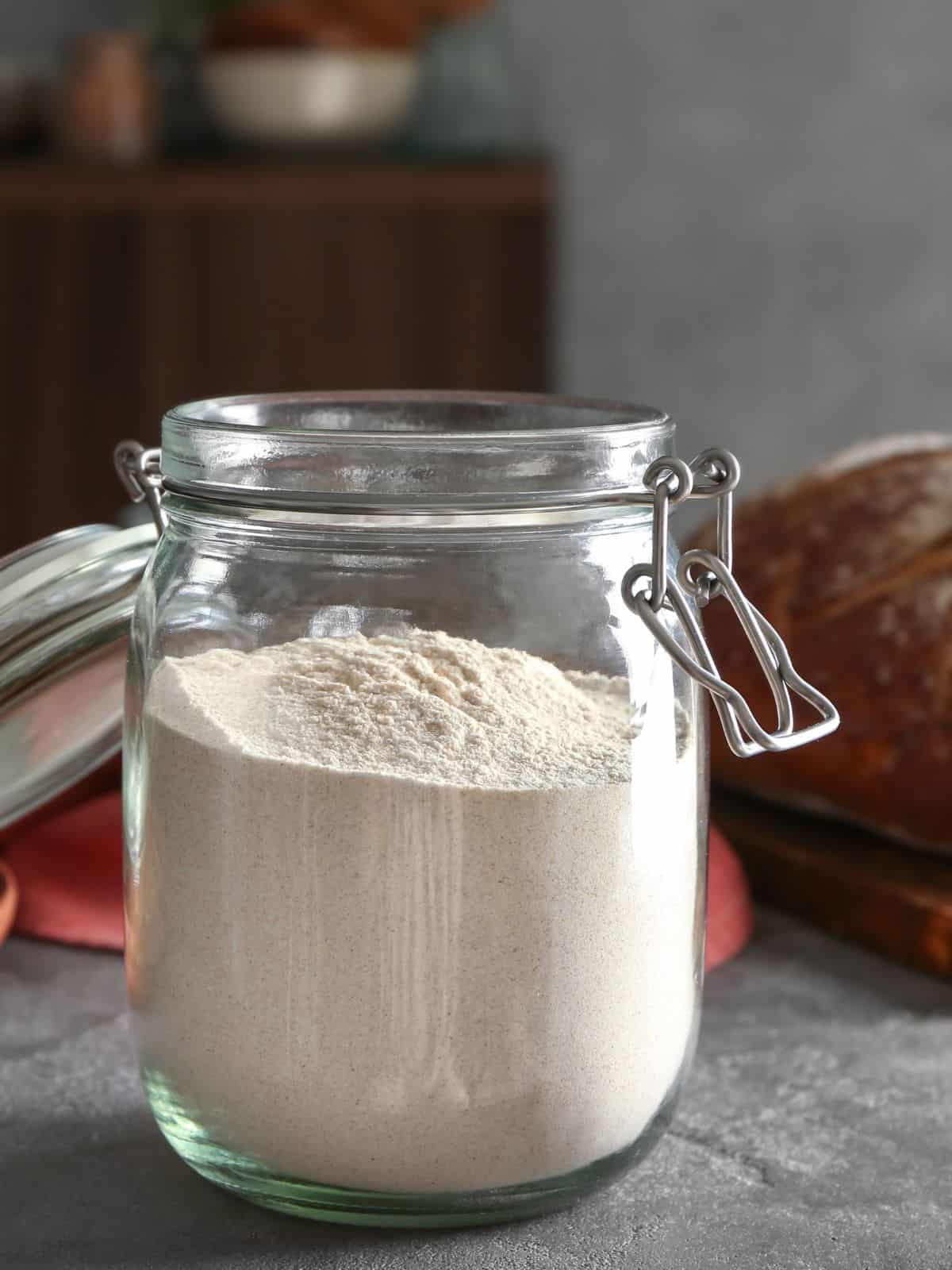
This homemade dough enhancer is the not-so-secret weapon that makes your bread rise higher, stay softer, and act like it came out of a bakery instead of your Saturday afternoon kitchen. It takes five minutes to mix up, uses simple pantry and health-food ingredients, and has been rescuing my loaves from flat, sad outcomes for over 50 years. If your homemade raisin bread's been acting like an exhausted teenager when it's time to get up, we're about to give it a reason to rise.
This homemade dough enhancer (also called bread improver or dough conditioner) helps yeast dough rise higher and stay fresh longer.
This post may contain affiliate links. If you grab something through them, I earn a small commission-at no extra cost to you-and I appreciate it more than good coffee.
🥰 Is this dough enhancer recipe for you?
- You've baked bread that looked promising… right up until it came out short, dense, and a little too humble
- You want that tall, soft, bakery-style rise without turning your kitchen into a science lab
- You bake bread often enough to want a little jar of "don't embarrass me today" sitting in the fridge
- You're tired of bread that goes stale faster than gossip at a church potluck
- You like knowing why something works but mostly just want it to work every single time. Here is more science behind the ingredients that help bread rise.
If you've ever side-eyed a loaf and thought, "you had one job," go ahead and make this. It helps it rise better, keep longer, and have a better texture.
📖 Recipe
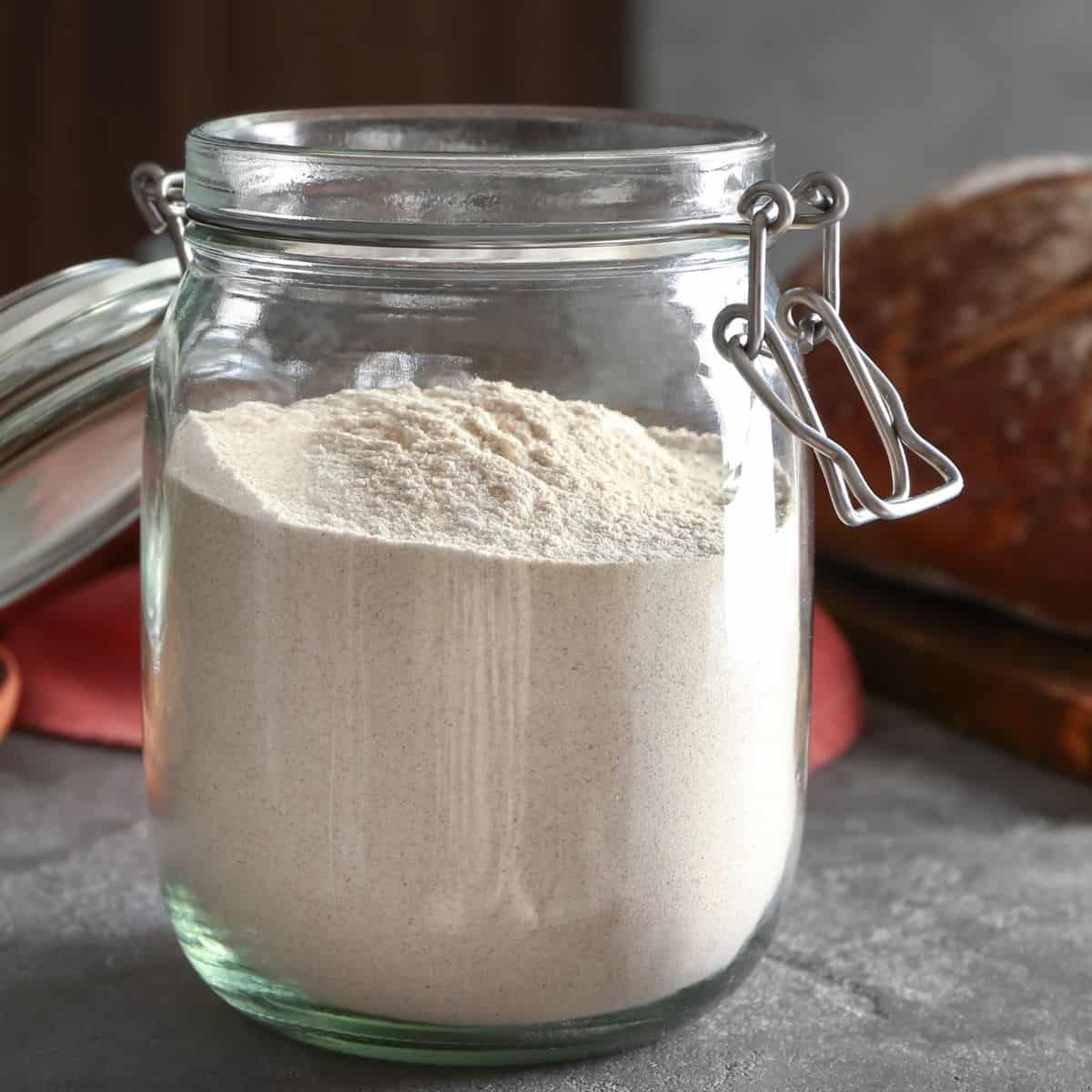
Homemade Dough Enhancer
Print Pin Recipe Rate RecipeIngredients
- 1 cup wheat gluten
- 2 tablespoons lecithin granules
- 1 teaspoon vitamin C granules, or powder
- 2 tablespoons powdered fruit pectin
- 2 tablespoons unflavored gelatin
- ½ cup nonfat dry milk powder
- 1 teaspoon powdered ginger
Instructions
- Mix all ingredients together and store in a tightly covered Mason jar in the refrigerator.
- Always bring to room temperature before using.
- To use: Add 1 to 3 tablespoons per loaf. For best results, replace an equal amount of flour to keep the dough balanced. If you prefer, you can simply add it without adjusting the flour-just expect a slightly firmer dough.
Notes
- Pulse a few times in the blender to make all particles the same size - it will mix in easier that way.
- Shake the jar before using.
- Let come to room temperature before making bread
- This works best with all components added but if you leave out one or two it will still work - just not as well.
Nutrition Facts
Nutrition information is estimated as a courtesy. If using for medical purposes, please verify information using your own nutritional calculator. Percent Daily Values are based on a 2000 calorie diet.
This recipe has been tested several times. If you choose to use other ingredients, or change the technique in some way, the results may not be the same.
Love this recipe?
Subscribe to the free membership group and never miss another recipe!
✨ FAQs
Dough enhancer, also called bread improver or dough conditioner, is a blend of ingredients that helps yeast dough rise higher, stay softer, and keep fresh longer. Think of it as backup support for your flour and yeast when they're not feeling particularly ambitious.
Bread improver is another name for dough enhancer. It strengthens the dough, helps trap gas from the yeast, and improves texture. Translation: taller loaves, softer crumb, and bread that doesn't turn into a brick by tomorrow morning.
Add 1 to 3 tablespoons per loaf. For best results, replace an equal amount of flour to keep the dough balanced. If you prefer, you can simply add it without adjusting the flour-just expect a slightly firmer dough. Add it right in with the dry ingredients and proceed like normal. No rituals required.
Yes! It will help the bread have a better texture and keep a bit longer. Replace ½ tablespoon of flour with about ½ tablespoon enhancer for every cup.
You can't taste the ginger in this mixture but it gives the yeast a bit of a boost.
It helps the bread stay moist and acts as a preservative so it stays fresh longer.
📚 Bread recipes to try this with
If you're already mixing up a batch of dough enhancer, you might as well put it to work on a few tried-and-true favorites. My honey buttermilk bread is soft, tender, and just a little tangy-perfect for sandwiches or standing at the counter with a slice in one hand and butter melting faster than your willpower. It's the kind of loaf that behaves beautifully anyway, but with a scoop of enhancer? Oh, it rises like it's got something to prove.
And if you're after that classic, pillowy texture everyone grew up on, the Amish white bread is where you start. It's slightly sweet, ridiculously fluffy, and the dough enhancer gives it that tall, bakery-style lift that makes you feel like you've got a secret handshake with yeast. For something a little heartier, the cracked wheat bread brings a nutty, wholesome vibe to the table-still soft, still sliceable, but with just enough texture to make you feel like you've got your life together. Add the enhancer, and even that rustic loaf gets a little glow-up.
If you want a deeper breakdown of each ingredient and why it works, check out my full guide to dough enhancers. If you just want the blend, you're in the right place.
🥄 If you'd rather not hunt all this down
Some of these ingredients can be a little hit-or-miss depending on your grocery store situation. If you don't feel like driving all over town like you're on a flour-based scavenger hunt, this is what I use.
👉 vital wheat gluten
👉 Lecithin granules
👉 Vitamin C powder
Use it once, and your bread's going to start expecting this kind of luxury treatment every time. 😏


Jennifer says
Hi haven’t put this together but purchased all the ingredients why if everything shelf stable does this need to be in the fridge looking for a recipe that copies king authers dough enhancement they have recipes up for it but aren’t selling it and it way cheaper to make your own
Marye says
The ingredients are shelf stable but the fats in the lecithin will get rancid over time.